18
Nov
Introduction to Transformers
In the realm of electrical engineering, transformers play a crucial role by enabling the transfer of electrical energy between circuits, with the ability to either increase or decrease voltage. This process is fundamental for the efficient transmission and utilization of electric power across various applications. As a transformative solution in power distribution, transformers ensure the stable operation of devices ranging from household appliances to industrial machinery. Understanding the intricacies of transformers is essential for anyone involved with electrical systems, from designers to wholesale transformer suppliers and manufacturers.
The Origin and Evolution of Transformers
● Historical Background
The journey of the transformer dates back to the late 19th century, with pioneering contributions from inventors like Michael Faraday and Nikola Tesla. Faraday's early experiments with electromagnetic induction laid the groundwork for the development of transformers. Tesla's breakthroughs in alternating current (AC) systems further propelled the importance of transformers in power transmission, establishing them as indispensable components in the electrical grid.
● Technological Advancements Over Time
Over the years, transformers have undergone significant technological evolution. From the rudimentary designs of the past to today's sophisticated models, improvements have focused on enhancing efficiency, reducing losses, and increasing reliability. Innovations in materials, such as advanced magnetic cores and high-temperature superconductors, have made transformers more efficient and compact. This ongoing evolution ensures that transformers remain at the forefront of electrical engineering innovation, with manufacturers and transformer factories continually pushing the boundaries of design and performance.
Construction and Components of a Transformer
● Core, Windings, and Insulation
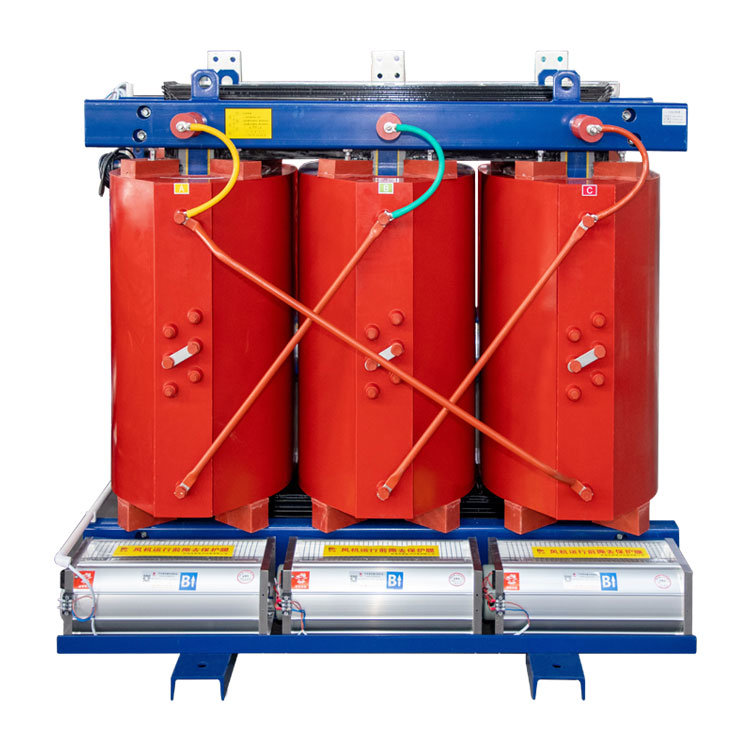
A transformer's construction comprises several key components, each contributing to its functionality. The core, typically made from laminated silicon steel, serves as a magnetic conduit that facilitates the transfer of energy between windings. These windings, composed of copper or aluminum coils, form the primary and secondary circuits of the transformer. Insulation materials, such as oil or paper, ensure the safety and longevity of the transformer by preventing short circuits and heat buildup.
● Materials Used in Transformer Construction
The choice of materials is critical in transformer design, as they directly influence performance and efficiency. Modern transformers incorporate advanced composites and alloys that enhance magnetic properties while minimizing energy losses. Transformer manufacturers continuously research and develop new materials to meet the growing demands of the electrical industry, ensuring that their products deliver optimal performance across various applications.
How Transformers Work: The Principle of Electromagnetic Induction
● Explanation of Electromagnetic Induction
At the heart of transformer operation lies the principle of electromagnetic induction, discovered by Michael Faraday. This phenomenon occurs when a changing magnetic field induces an electromotive force in a nearby conductor. In transformers, AC currents passing through the primary winding generate a magnetic field that induces a current in the secondary winding. This process enables the transformation of voltage levels, making it possible to step up or step down the electrical energy transmitted between circuits.
● Role of AC Current in Transformer Operation
AC current is integral to the function of transformers, as it creates the dynamic magnetic fields necessary for induction. Unlike direct current (DC), which maintains a constant flow, AC current alternates in direction, facilitating the continuous transfer of energy between windings. This characteristic of AC systems makes transformers an essential component in power grids worldwide, allowing for efficient long-distance transmission and local distribution of electricity.
Types of Transformers: Step-Up and Step-Down
● Differences Between Step-Up and Step-Down Transformers
Transformers are classified into two primary types: step-up and step-down. A step-up transformer increases the voltage from the primary to the secondary winding, making it ideal for transmitting electricity over long distances. Conversely, a step-down transformer reduces voltage, ensuring that it is suitable for domestic and industrial use. These transformers are critical in maintaining stable power levels and preventing damage to electrical devices and infrastructure.
● Common Uses for Each Type
Step-up transformers are commonly employed in power plants to elevate the voltage generated by turbines, facilitating efficient transmission through power lines. On the other hand, step-down transformers are extensively used in residential and commercial settings to lower the high-voltage electricity from distribution lines to safe levels for everyday use. Transformer suppliers and manufacturers design these devices to meet the specific needs of various applications, ensuring seamless integration within electrical systems.
Applications of Transformers in Everyday Life
● Transformers in Power Distribution
Transformers are integral to modern power distribution networks, enabling the transfer and transformation of electricity from generation to consumption. They facilitate the efficient transmission of high-voltage power over long distances and adjust voltage levels for local distribution, ensuring reliable access to electricity. This seamless operation underpins the functionality of everything from household appliances to industrial machinery, underscoring the importance of partnerships with reliable transformer factories and suppliers.
● Industrial and Consumer Applications
Beyond power distribution, transformers find application across numerous industries and consumer products. In the industrial sector, they are vital for operating machinery, controlling voltage levels, and enhancing safety. Consumer electronics such as televisions, computers, and mobile devices also rely on transformers to manage power supply, illustrating their ubiquitous presence in our daily lives.
Efficiency and Losses in Transformers
● Factors Affecting Transformer Efficiency
Transformer efficiency is a critical consideration in their design and operation. Various factors, including core materials, winding resistance, and insulation properties, influence their performance. Advancements in technology have led to more efficient transformers, with manufacturers focusing on reducing energy losses and enhancing overall functionality.
● Types of Losses (e.g., Copper, Iron)
Despite their efficiency, transformers experience losses primarily in the form of copper and iron losses. Copper losses arise from the resistance in the windings, while iron losses occur due to hysteresis and eddy currents in the core. Manufacturers strive to minimize these losses through innovative materials and design techniques, ensuring that their products deliver maximum efficiency and reliability.
Safety Considerations and Maintenance of Transformers
● Electrical Safety Precautions
Safety is paramount when dealing with transformers, given the high voltages involved. Proper installation, regular inspection, and adherence to safety standards are essential to prevent accidents and ensure the longevity of the equipment. Transformer manufacturers provide comprehensive guidelines on safe handling and operation, emphasizing the importance of following recommended practices.
● Routine Maintenance Practices
Routine maintenance is crucial for the optimal performance of transformers. Regular checks, including oil analysis, thermal imaging, and insulation testing, help detect potential issues early and prevent costly downtime. Transformer suppliers and maintenance providers offer specialized services to keep transformers in peak condition, safeguarding their investment and ensuring uninterrupted power supply.
Innovations and Future Trends in Transformer Technology
● Smart Transformers and Digital Monitoring
The advent of smart technology has revolutionized transformer design, with digital monitoring systems providing real-time insights into performance and condition. These innovations enable predictive maintenance, reducing the risk of unexpected failures and enhancing overall reliability. Manufacturers are increasingly integrating smart features into their products, keeping pace with the evolving needs of the electrical industry.
● Role of Transformers in Renewable Energy Systems
As the world shifts towards sustainable energy solutions, transformers play a pivotal role in integrating renewable sources into the grid. They facilitate the efficient conversion and distribution of power generated from solar, wind, and hydroelectric systems, supporting the global transition to greener energy. Transformer factories are at the forefront of this movement, designing products that meet the unique requirements of renewable energy applications.
Conclusion: The Impact of Transformers on Modern Society
Transformers are the unsung heroes of the electrical world, enabling the reliable transmission and distribution of power across diverse applications. Their significance extends beyond technical functionality, contributing to the economic and social development of society at large. As the demand for electricity continues to rise, transformers will remain a cornerstone of modern infrastructure, with manufacturers and suppliers playing a crucial role in advancing the technology and delivering innovative solutions.
Introducing Global Power Equipment
Global Power Equipment (Xuzhou) Co., Ltd. is a distinguished enterprise specializing in the production and development of various power transformers, including S11, S13, and SCB series, as well as European and American box transformers. Established in 2013, the company operates from its extensive facility in Jiangsu Xuzhou Economic Development Zone. With a commitment to quality and innovation, Global Power Equipment provides cutting-edge products and services to a global clientele, enhancing the efficiency and reliability of power systems worldwide. Through rigorous research and development, the company ensures its transformers meet international standards, supporting diverse sectors such as thermal power, hydropower, and photovoltaics.