19
Nov
Introduction to Step Down Transformers
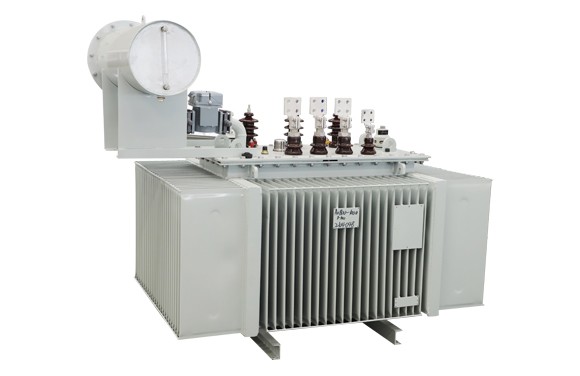
Step down transformers are pivotal components in electrical engineering, serving the essential function of reducing voltage levels in power systems. This article delves into the intricacies of step down transformers, exploring their construction, working principles, applications, and more. Whether you're a professional in the field or simply curious about how electricity is managed in our homes and industries, this guide will provide detailed insights into these transformative devices.
Basic Principles of Transformer Operation
● Electromagnetic Induction
At the heart of every transformer lies the principle of electromagnetic induction. This fundamental concept involves inducing an electromotive force (EMF) in a conductor through a changing magnetic field. In the context of step down transformers, this is achieved by varying the current in the primary coil, which then induces a voltage in the secondary coil.
● Role of Primary and Secondary Coils
Transformers operate with two main coils: the primary and secondary. The primary coil is connected to the AC power source, and the secondary coil is connected to the load. In step down transformers, the primary coil has more turns than the secondary coil, leading to a reduced voltage output suitable for consumer electronics and various industrial applications.
Construction and Components
● Core Materials and Design
The core of a step down transformer is typically made from laminated ferromagnetic materials like iron. This design minimizes eddy current losses and enhances efficiency. The core acts as a conduit for magnetic flux created by the primary coil, effectively transferring energy to the secondary coil via induction.
● Windings and Insulation
Copper, known for its excellent conductivity, is the preferred material for transformer windings. Each coil is insulated to prevent short circuits and energy losses, ensuring reliable performance. The design and quality of these windings critically influence the transformer's efficiency and longevity.
Voltage Reduction Process
● Process of Stepping Down Voltage
Step down transformers convert high voltage electricity to a lower voltage output through electromagnetic induction. This process begins as the primary coil creates a magnetic field when AC is applied. The secondary coil, exposed to this changing field, generates a lower voltage due to its fewer number of turns.
● Applications in Household and Industrial Settings
In households, step down transformers are omnipresent, found in everything from phone chargers to large appliances. Industrially, they play a crucial role in machinery that requires specific voltage levels to operate safely and efficiently. They ensure that devices receive power that aligns with their operational requirements.
Comparison with Step Up Transformers
● Differences in Function and Structure
While step down transformers reduce voltage levels, step up transformers do the opposite by increasing voltage. Structurally, step down transformers have more primary winding turns compared to the secondary, whereas step up transformers exhibit the inverse. This fundamental difference dictates their respective applications and usage in power systems.
● Usage Scenarios for Each Type
Step down transformers are primarily used in local distribution networks and household applications. In contrast, step up transformers are essential for long-distance transmission of electricity, minimizing losses by increasing voltage and reducing current in the transmission lines, which is critical for efficient power delivery from power plants to substations.
Applications of Step Down Transformers
● Usage in Power Supply for Electronics
Step down transformers are integral to the power supply units of electronic devices. They ensure that the voltage supplied to gadgets is within safe limits, protecting the equipment from damage and enhancing user safety.
● Role in Electrical Grids and Distribution
In electrical distribution systems, step down transformers facilitate the transition of electricity from high voltage transmission systems to lower voltage distribution networks. This transition is crucial for aligning energy delivery with the consumption requirements of residential and commercial users.
Advantages of Using Step Down Transformers
● Safety and Efficiency
Step down transformers enhance safety by reducing the risk of electrical shock and overheating in household and industrial settings. They also boast high efficiency, often exceeding 95%, by minimizing energy losses across the power grid.
● Energy Conservation Benefits
By optimizing voltage levels, step down transformers contribute to energy conservation efforts. They ensure that electrical devices operate at optimal performance without unnecessary energy consumption, aligning with broader sustainability goals in energy management.
Challenges and Limitations
● Potential for Power Loss
Despite their advantages, step down transformers are not without challenges. Power losses can occur due to resistance in the windings and hysteresis in the core. Advances in materials and design continue to mitigate these losses, enhancing transformer performance.
● Size and Cost Considerations
The physical size and cost of step down transformers can pose limitations, particularly for small or budget-conscious projects. As technology progresses, however, innovative designs and materials are making them increasingly compact and affordable.
Maintenance and Troubleshooting
● Routine Checks and Common Issues
Regular maintenance is essential to ensure the optimal performance of step down transformers. Common issues include insulation degradation, winding faults, and core saturation, all of which can affect efficiency and safety.
● Repair vs Replacement Strategies
Deciding whether to repair or replace a step down transformer depends on the severity of the issue and the cost-effectiveness of the solution. Routine testing, professional inspection, and timely intervention can extend the lifespan of these critical components.
Future Trends and Innovations
● Advances in Transformer Technology
The future of step down transformers is bright, with ongoing research focused on enhancing efficiency, reducing size, and integrating smart features. These improvements are set to bolster their role in modern power systems, facilitating the shift towards more sustainable energy solutions.
● Impact of Renewable Energy Integration
As the world transitions to renewable energy sources, step down transformers will play a crucial role in adapting grid infrastructure. Their ability to manage fluctuating power levels from renewable sources will be pivotal in ensuring stable and reliable energy supply.
Company Profile: Global Power Equipment
Global Power Equipment (Xuzhou) Co.,Ltd. is a leader in the manufacturing and development of power transformers. Established in 2013, the company specializes in a wide range of transformers, including S11, S13, and SCB series, as well as high and low voltage switchgear. Located in Jiangsu Xuzhou Economic Development Zone, Global Power Equipment combines innovation with quality to serve various industries such as thermal power and photovoltaic generation. The company is committed to sustainable solutions and maintains a strong presence across Europe, South America, Africa, and Southeast Asia, offering advanced technology and reliable products globally.