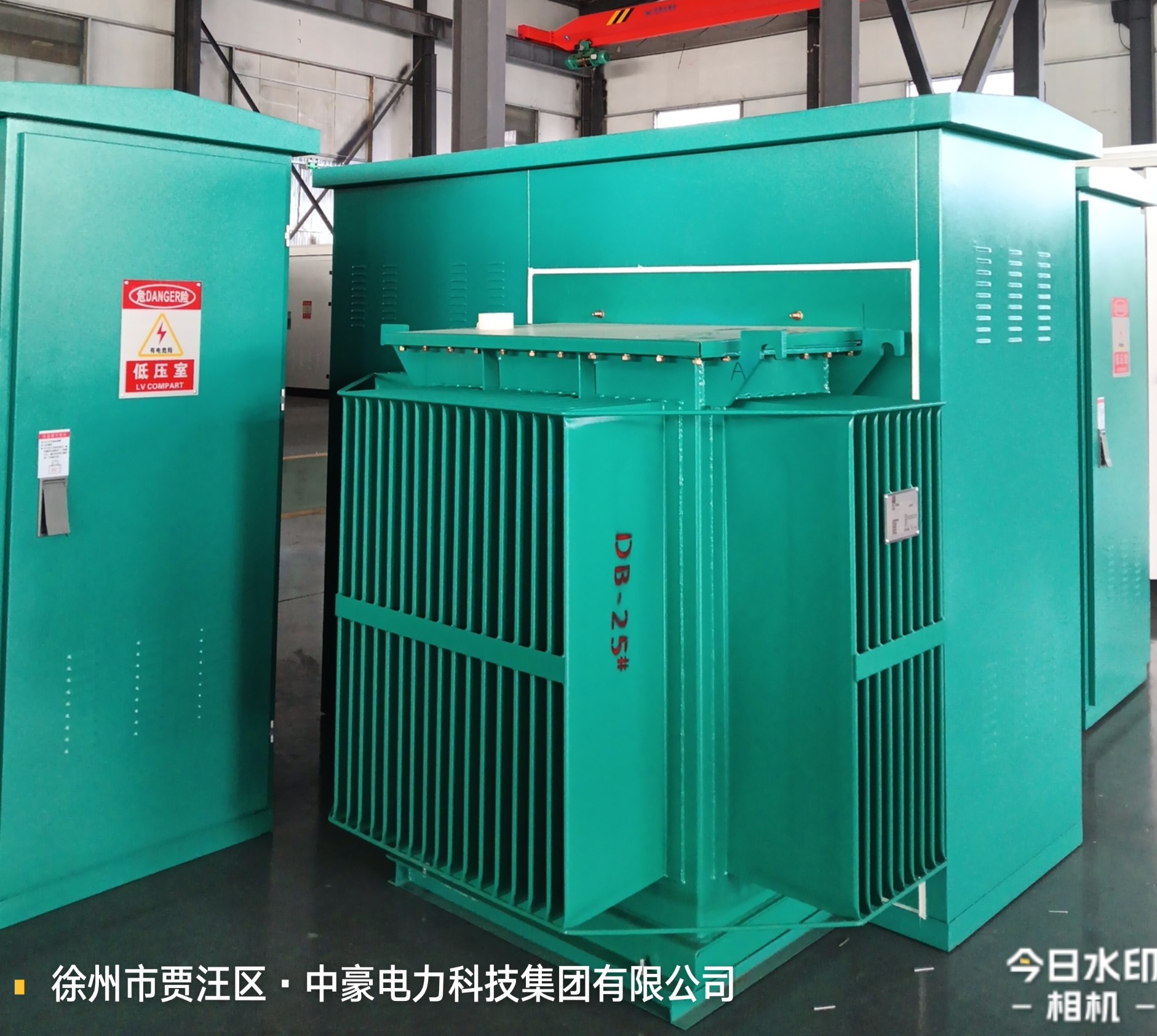
Introduction to Substation Transformers
In the field of electrical engineering, understanding the differences between various types of substation transformers is crucial. With growing energy demands and infrastructure advancements, both compact and traditional substation transformers play key roles in power distribution. This article delves into the distinguishing features, advantages, and limitations of compact substation transformers compared to their traditional counterparts. By evaluating factors like size, cost, safety, and technology, stakeholders can make informed decisions for their power distribution needs, whether sourcing from wholesalers, factories, or suppliers.
Defining Compact Substation Transformers
Integrated Design and Components
Compact substation transformers are preassembled, factory-tested units that integrate various components such as transformers, medium-voltage switchgear, and low-voltage distribution boards within a single enclosure. This integrated design facilitates a plug-and-play installation approach, reducing setup time and complexity.
Efficiency in Space Utilization
Due to their all-in-one design, compact substations require significantly less space compared to traditional setups. This makes them ideal for urban environments and areas with limited available space. Additionally, their weatherproof enclosures enable outdoor deployment without additional protective structures.
Understanding Traditional Substation Transformers
Component Separation and Customization
Traditional substation transformers typically feature separate components, including a switchgear room, transformer yard, and control room, each installed on-site. This separation allows for customization and scalability, accommodating specific project needs and extensions over time.
Larger Footprint and Construction Needs
The construction of conventional substations involves significant civil engineering work, requiring more space and longer installation timelines. This characteristic, however, supports large-scale power transmission needs, making traditional setups preferable in certain industrial applications.
Size and Space Considerations
Compacts for Limited Spaces
The compact design of packaged substations offers substantial space savings over traditional setups. With integrated components, their footprint can be minimized to fit into constrained areas, crucial for urban installations or retrofitting existing facilities.
Traditional Substations in Expansive Areas
Conversely, traditional substations, while space-consuming, allow for extensive customization and scalability. They are often favored in regions where space is not a limiting factor and future expansion or modification is anticipated.
Installation and Setup: Compact vs Traditional
Streamlining with Compact Substations
The plug-and-play nature of compact substation transformers facilitates quicker installation, often reducing setup time by as much as 50% compared to traditional methods. This rapid deployment is advantageous for projects with tight timelines or urgent power needs.
Complex Installation of Traditional Substations
- Traditional setups require comprehensive site preparation and construction work.
- Longer lead times for installation due to customization and extensive civil works.
Cost Implications and Economic Factors
Initial Investment and Long-term Savings
While compact substations may entail a higher initial unit cost, they offer significant savings in civil works, installation time, and operational flexibility. Over time, these savings can offset the initial expense, particularly when wholesale, factory, or supplier discounts are available.
Economic Considerations for Traditional Substations
Traditional substations, while potentially less costly initially, incur higher expenses in terms of site preparation, construction, and longer installation periods. These costs must be weighed against the benefits of scalability and customization.
Scalability and Future-proofing
Modularity and Flexibility of Compact Substations
Compact substations are typically modular, allowing for certain adaptability in setup. However, they may lack the extensive scalability of traditional solutions, making them less suitable for long-term expansion needs.
Traditional Substations for Long-term Growth
The separate component nature of traditional substations supports incremental upgrades and expansions over time. This flexibility is a critical factor for projects anticipating future growth or increased capacity needs.
Environmental and Safety Considerations
Enhanced Fire Safety with Compact Substations
Compact substations often feature sealed transformers, reducing the risk of oil-related fires and enhancing safety in sensitive areas. This feature is particularly beneficial in urban settings where fire safety is a priority.
Environmental Impact of Traditional Designs
Traditional substations may have a larger environmental footprint due to their size and construction requirements. However, with proper environmental planning and management, these impacts can be mitigated.
Technological Advancements and Innovations
Digital Integration in Compact Substations
Compact substations increasingly incorporate digital technologies for real-time monitoring and automated control, boosting grid efficiency and reliability. These advancements enhance power distribution and operational management.
Traditional Substations Embracing Modern Technology
Despite their conventional nature, traditional substations are also integrating modern technological solutions, such as smart sensors and automation systems, to improve performance and reduce costs.
Conclusion: Choosing the Right Substation
The decision between compact and traditional substation transformers depends on specific project requirements, encompassing factors like space, cost, scalability, and environmental impact. Each option offers unique benefits, and the choice should align with long-term goals and operational expectations. Whether purchasing from a wholesale distributor, a factory, or a supplier, understanding these aspects is critical for optimal infrastructure planning and execution.
Global Power Equipment Provide Solutions
In the rapidly evolving landscape of power distribution, compact substation transformers present a viable solution for efficient, space-saving power delivery, especially in urban or constrained environments. As renewable energy integration and grid modernization continue to drive demand for innovative substation solutions, both compact and traditional transformers will play critical roles in meeting global energy needs. By aligning project requirements with the right transformer type, stakeholders can ensure reliable, future-proof power infrastructure that accommodates growth and sustainability objectives.