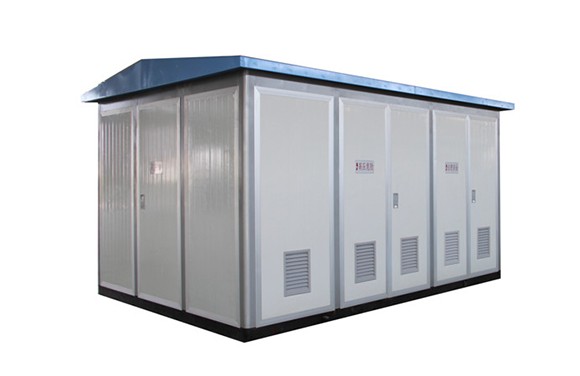
Introduction to Box-Type Substations
Box-type substations, also referred to as prefabricated or pre-assembled substations, represent a comprehensive power distribution unit. These substations integrate high-voltage switchgear, distribution transformers, and low-voltage power distribution devices within a compact and enclosed structure. They are extensively used in mining operations, industrial enterprises, oil and gas fields, and wind power stations. As an evolved solution to traditional civil-built distribution rooms and substations, box-type substations offer a modern and efficient approach to power distribution.
Historical Development of Box-Type Substations
Initially, the demand for efficient power distribution systems led to the development of box-type substations. Over the years, the design has evolved to meet the stringent requirements of power quality and reliability. Factories in China have been at the forefront of producing these substations, utilizing advanced manufacturing techniques to meet domestic and international needs. The seamless integration of various components has made the box-type substation an attractive option for power distribution.
Components of a Box-Type Substation
Box-type substations are designed with three primary compartments: high-voltage switchgear, transformers, and low-voltage distribution devices. Each compartment plays a critical role in ensuring efficient power transformation and distribution.
High-Voltage Switchgear
- Typically operates at rated voltages of 10kV or 35kV.
- Uses domestically produced or imported ring main units and vacuum circuit breakers.
- Incorporates current-limiting fuses for enhanced safety.
Transformers
- Available in oil-immersed or dry-type formats.
- Capable of accommodating transformers up to 1600kVA.
- Enclosed in a protective shell constructed from insulating or metal materials.
Low-Voltage Distribution Devices
- Includes power, lighting, metering, and reactive power compensation cabinets.
- Features automatic temperature and condensation control systems.
- Facilitates efficient power delivery at the user end.
Advantages of Box-Type Substations
The shift from traditional substations to box-type substations was driven by the numerous advantages they offer. Key benefits include a small footprint, rapid construction time, aesthetic appeal, and adaptability to various environments. These substations require minimal maintenance, making them cost-effective over their operational lifespan.
Space and Efficiency
- Smaller footprint compared to traditional substations.
- Reduces the need for extensive land allocation.
- Effective in urban settings and areas with limited space.
Cost and Maintenance
- Factory prefabrication reduces on-site construction time and costs.
- Lower maintenance requirements increase overall cost efficiency.
- Long service life due to robust construction and quality materials.
Applications and Use Cases
Box-type substations are versatile and find application in a wide range of settings. Their adaptability makes them suitable for various industrial and commercial applications, enhancing the quality and reliability of power distribution.
Industrial and Commercial Use
- Widely used in factories, mines, oil fields, ports, and airports.
- Essential for power distribution in public buildings, schools, and commercial halls.
- Supports power needs in underground facilities and government offices.
Renewable Energy Integration
- Integral to wind power stations and other renewable energy setups.
- Facilitates efficient energy distribution in renewable power plants.
- Supports sustainable energy goals by reducing energy losses.
Design and Construction Specifications
The design of box-type substations follows stringent specifications to ensure reliability and efficiency. These substations are tailored to meet the needs of varied environments and operational requirements.
Materials and Construction
- Constructed from galvanized steel, aluminum alloy, or insulating materials.
- The framework is either welded or bolted for additional strength.
- Incorporate fireproof and heat-insulating materials to enhance safety.
Structural Layouts
- Layout options include T or H shaped configurations.
- Optimized for efficient power flow and component accessibility.
- Adaptable to both indoor and outdoor installations.
Types and Models of Box-Type Substations
A variety of models and configurations of box-type substations are available to cater to diverse operational needs. Each model is engineered to provide specific benefits and meet unique user requirements.
Common Models
- High voltage switchgear model.
- Dry-type transformer cabinet model.
- Low voltage switchgear model.
Global Variants
- European type: Large volume with centralized components.
- American type: Better cooling but larger physical size.
- Integrated type: Occupies less land with similar benefits as American type.
Operation and Maintenance Guidelines
Effective operation and maintenance strategies are crucial for the longevity and reliability of box-type substations. Regular inspections and maintenance activities prevent unexpected failures and ensure uninterrupted power delivery.
Basic Operational Requirements
- Install on elevated platforms to prevent water ingress.
- Ensure reliable connections with grounding grids for safety.
- Maintain a clean and debris-free environment around the substation.
Regular Inspection and Maintenance
- Conduct regular inspections of high-voltage equipment and transformers.
- Perform insulation tests to ensure safe operation.
- Maintain cooling systems to prevent overheating.
Challenges and Considerations
Despite their advantages, box-type substations also present certain challenges that require careful consideration. These challenges range from environmental impacts to operational constraints.
Environmental and Safety Considerations
- Risk of overheating and need for adequate ventilation.
- Potential environmental impact from improperly disposed materials.
- Safety measures to prevent unauthorized access.
Operational Constraints
- Limitations in transformer capacity for certain models.
- Need for consistent maintenance to avoid operational issues.
- Challenges in integrating with existing power infrastructure.
Future Trends and Innovations
The evolving landscape of power distribution technology continues to influence the development of box-type substations. Emerging trends focus on enhancing efficiency, safety, and sustainability.
Technological Advancements
- Integration of advanced automation systems for intelligent power management.
- Adoption of eco-friendly materials and construction techniques.
- Enhancements in digital monitoring systems for real-time performance tracking.
Global Market Dynamics
- Increasing demand in emerging markets for reliable power solutions.
- China as a leading manufacturer of advanced box-type substations.
- Growing focus on modular and scalable power solutions worldwide.
Global Power Equipment Solutions
As the demand for efficient power distribution grows, the role of box-type substations becomes increasingly significant. Manufacturers, particularly in China, are stepping up to provide innovative solutions that cater to diverse power needs. By offering compact, adaptable, and cost-effective substations, these manufacturers are helping to shape a future where power distribution is more reliable and sustainable. Utilizing state-of-the-art technology, these substations are poised to meet the challenges of tomorrow, ensuring a stable and efficient power supply across various industries and applications.
User hot search: box type substation