10
Dec
Introduction to LV Switchboards and LV Switchgear
In the intricate world of electrical power distribution, low voltage (LV) systems play a crucial role. LV switchboards and LV switchgear are fundamental components in managing electrical circuits that operate under 1,000 volts. They are vital for residential, commercial, and industrial environments where safety, efficiency, and reliability are paramount. The differences between LV switchboards and LV switchgear lie in their design, functionality, and application. Understanding these differences is essential for choosing the right product for specific electrical distribution needs.
Definition and Functionality of LV Switchboards
● Purpose in Electrical Distribution
LV switchboards serve as the focal point for distributing electricity from a single source to various circuits within a building or facility. They are integral in safely managing the power distribution by directing current to different branch circuits as needed. The primary purpose of an LV switchboard is to ensure the smooth and efficient distribution of power throughout an area, mitigating any electrical mishaps that could arise from overloading or fault conditions.
● Key Components and Structure
An LV switchboard is composed of circuit breakers, fuses, switches, and busbars enclosed in a robust panel. These elements work in tandem to facilitate the distribution and management of electrical power. The switchboard is designed to allow for easy expansion by adding new circuits or modifying existing ones, thereby providing flexibility to meet growing electrical demands. Wholesale LV switchboards and LV switchboard manufacturers focus on building these systems with quality materials to ensure longevity and safety.
Definition and Functionality of LV Switchgear
● Role in Circuit Protection and Management
LV switchgear is designed to control, protect, and isolate electrical equipment. Its primary function is to handle electrical circuits by disconnecting and managing power flows in the case of faults or maintenance requirements. With an emphasis on safety, LV switchgear prevents electrical failures from propagating through the network, thus minimizing the risk of damage and potential hazards.
● Elements and Configurations
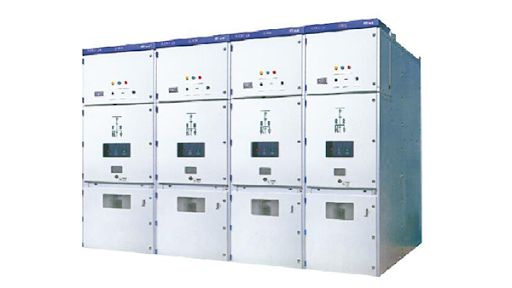
LV switchgear typically includes components such as circuit breakers, contactors, relays, and disconnect switches. These elements are contained within metal or insulated enclosures that offer both mechanical protection and electrical insulation. The modular nature of LV switchgear makes it adaptable to a variety of configurations, allowing for customization based on specific application needs. LV switchboard factories and suppliers offer a range of switchgear solutions to meet diverse industry demands.
Design and Construction Differences
● Physical Layout and Compartmentalization
The design and construction of LV switchboards and LV switchgear differ significantly. LV switchboards generally feature a centralized panel layout that consolidates all components into a single structure. In contrast, LV switchgear is often compartmentalized, with each functional unit housed in separate enclosures. This compartmentalization enhances safety by isolating components and reducing the risk of arc flash incidents.
● Material and Design Variations
LV switchboards are typically constructed with metal or composite materials, offering sturdy protection against physical damage and environmental factors. Conversely, LV switchgear utilizes insulated materials to provide additional electrical safety. Furthermore, the design of LV switchgear often includes advanced technology for monitoring and control, such as intelligent relays and automation systems. This distinction in design and material use underscores the different roles these systems play in electrical distribution.
Operational Capabilities and Limitations
● Power Handling and Distribution Efficiency
LV switchboards are designed to handle large volumes of power efficiently, distributing it across numerous circuits. Their ability to accommodate high current levels makes them ideal for industrial and large commercial applications. However, they may lack the sophisticated protective features found in LV switchgear.
● Safety Features and Operational Constraints
LV switchgear, on the other hand, is equipped with enhanced safety features, including fault detection and isolation mechanisms. This capability allows for rapid response to electrical disturbances, minimizing downtime and damage. However, the complexity of LV switchgear can lead to higher initial costs and maintenance requirements. Understanding these operational differences is crucial for selecting the right solution for specific electrical needs.
Applications and Use Cases in Industry
● Common Uses in Commercial Buildings
LV switchboards are commonly used in commercial buildings such as office complexes, shopping malls, and hotels, where they distribute power to lighting, HVAC systems, and other essential services. Their scalability and durability make them an essential component in large-scale power distribution networks.
● Specific Industry Requirements
In contrast, LV switchgear is favored in industries with stringent safety and reliability requirements, such as data centers, manufacturing plants, and healthcare facilities. These environments demand advanced protection against electrical faults, making LV switchgear an optimal choice. Additionally, industries with fluctuating power demands benefit from the adaptability and control offered by LV switchgear systems.
Centralized Control in LV Switchgear
● Importance of Control in Circuit Management
Centralized control is a hallmark of LV switchgear systems. By providing a single point of management for multiple circuits, LV switchgear allows for precise control over power distribution, facilitating load optimization and energy conservation. This centralized approach also simplifies maintenance and troubleshooting, as faults can be easily monitored and addressed.
● Examples of Centralized Control Systems
Advanced LV switchgear solutions often integrate centralized control features such as programmable logic controllers (PLCs), human-machine interfaces (HMIs), and remote monitoring capabilities. These systems enable real-time data collection and analysis, supporting predictive maintenance and the optimization of electrical performance across facilities. Wholesale LV switchboard suppliers often collaborate with LV switchgear manufacturers to deliver customized solutions that incorporate these advanced control features.
Effective Power Distribution in LV Switchboards
● Strategies for Routing and Load Management
Effective power distribution is a critical consideration in the design and operation of LV switchboards. By implementing strategic routing and load management practices, facilities can ensure efficient power use, reduce energy costs, and extend the lifespan of electrical components. LV switchboards facilitate these strategies through the integration of intelligent monitoring systems and adjustable circuit configurations.
● Implications for Energy Efficiency
The efficient distribution of power has significant implications for energy conservation and sustainability. By minimizing energy losses and optimizing load balancing, LV switchboards contribute to a facility's overall energy efficiency. This advantage is particularly important in sectors with high energy consumption, where even marginal improvements can yield substantial cost savings. LV switchboard manufacturers and factories prioritize energy efficiency in their design and production processes to meet evolving environmental standards.
Safety and Protection Mechanisms
● Protective Elements in Switchgear Systems
Safety is paramount in any electrical system, and both LV switchboards and LV switchgear incorporate protective mechanisms to prevent accidents and equipment damage. LV switchgear, in particular, is equipped with advanced protective elements such as arc flash protection, overcurrent relays, and ground fault detection systems. These features enhance operational safety and reliability, making LV switchgear an indispensable component in critical applications.
● Safety Standards and Compliance
Compliance with safety standards is a critical consideration for both LV switchboards and LV switchgear. Adhering to national and international safety regulations ensures the protection of personnel and equipment, while also minimizing liability risks. LV switchboard suppliers and LV switchgear manufacturers adhere to rigorous quality control processes to meet these standards, providing customers with peace of mind and assurance of safety.
Conclusion: Choosing the Right System
● Factors to Consider in Selection
Choosing between LV switchboards and LV switchgear involves evaluating multiple factors, including application requirements, budget constraints, and safety priorities. Understanding the unique advantages and limitations of each system is crucial for making an informed decision that aligns with specific project needs. Consulting with experienced LV switchboard factories and suppliers can provide valuable insights and guidance in this selection process.
● Future Trends in LV Electrical Systems
The future of LV electrical systems is shaped by advancements in technology and a growing emphasis on sustainability. Emerging trends such as smart grid integration, renewable energy adoption, and digitalization are transforming the landscape of power distribution. Both LV switchboards and LV switchgear are evolving to incorporate these innovations, offering enhanced performance, reliability, and environmental benefits.
Introduction to Global Power Equipment
Global Power Equipment (Xuzhou) Co., Ltd. is a leader in the production and innovation of power transformers and switchgear. Founded in 2013, the company integrates research, development, and sales, offering products like the S11 and SCB series transformers. With a clear focus on quality and reliability, Global Power Equipment supports various industries, including thermal, hydropower, and renewable energy sectors. The company’s commitment to technology and customer satisfaction has established it as a trusted name worldwide, providing innovative solutions that meet the dynamic needs of modern power systems.