22
Apr
Introduction to Three-Phase Transformers
Electric power systems are the backbone of modern industry, enabling the transmission and distribution of electricity across vast networks. Within these systems, transformers play a crucial role in altering voltage levels to facilitate efficient power distribution. Among the various types of transformers, the three-phase transformer is a cornerstone of contemporary electrical infrastructure. This article delves into the intricacies of three-phase transformers, exploring their components, operation, applications, and the innovations driving the industry forward.
Three-phase transformers are integral to power systems that operate on three-phase electrical currents. These transformers are designed to either step up or step down voltage levels, making them indispensable in both local distribution and high-voltage transmission. Understanding their construction, functionality, and applications is essential for professionals in electrical engineering and power distribution industries.
Components of a Three-Phase Transformer
● Core Components: Windings and Core
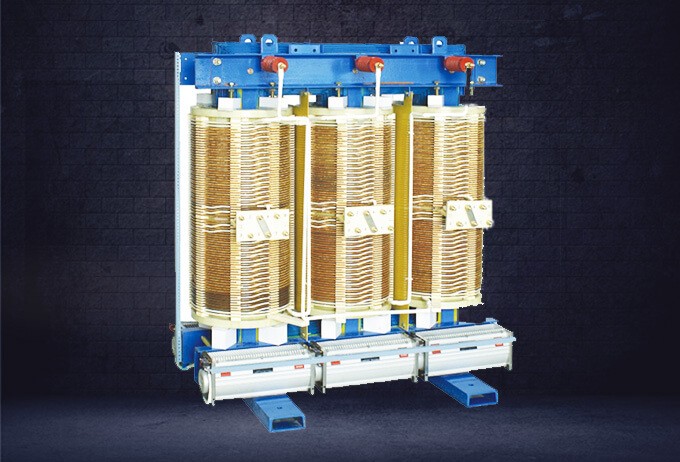
At the heart of a three-phase transformer are its windings and core. The transformer core is typically composed of laminated silicon steel sheets, which minimize energy losses due to hysteresis and eddy currents. Encompassing the core are the primary and secondary windings, usually made of copper or aluminum to ensure efficient conductivity. The interaction between these windings and the magnetic core facilitates the transformation of voltage levels across the electrical system.
● Importance of Insulation and Cooling Systems
Insulation is vital in preventing electrical faults and ensuring safe operation. High-quality insulating materials, such as paper, varnish, and oil, are used to encase the windings and maintain structural integrity under high voltage conditions. Additionally, effective cooling systems, including oil-immersed and air-cooled methods, are implemented to dissipate heat generated during operation, thereby enhancing the transformer's reliability and longevity.
How Three-Phase Transformers Work
● The Role of Electromagnetic Induction
The operation of a three-phase transformer is governed by the principle of electromagnetic induction. When an alternating current flows through the primary winding, it generates a magnetic field. This magnetic field induces a voltage in the secondary winding, altering the voltage level based on the turn ratio of the windings. This process enables the efficient transfer of electrical energy with minimal losses.
● Phases and Phase Relationships
Three-phase transformers are characterized by their ability to handle three alternating currents, each set at 120 degrees out of phase with one another. This phase relationship not only facilitates balanced power delivery but also ensures the stability and efficiency of the electrical system. The precise management of these phases is crucial in optimizing the performance of the transformer and minimizing potential disruptions.
Advantages of Three-Phase Transformers
● Efficiency in Power Distribution
One of the standout advantages of three-phase transformers is their high efficiency in power distribution. By enabling simultaneous transmission of three currents, these transformers reduce the need for multiple single-phase units, thereby conserving resources and space. This efficiency is particularly beneficial in high-demand settings, where maintaining consistent and reliable power supply is paramount.
● Cost-Effectiveness and Space-Saving Design
The design of three-phase transformers allows for a more compact and streamlined installation compared to their single-phase counterparts. This design not only reduces the footprint of electrical systems but also translates to cost savings in terms of both installation and maintenance. As a result, three-phase transformers are a preferred choice for industrial and commercial applications where space and cost are critical considerations.
Types of Three-Phase Transformers
● Delta and Wye Configurations
Three-phase transformers can be categorized based on their winding configurations, with Delta (Δ) and Wye (Y) being the most common. Delta configurations connect the ends of each winding in a closed loop, allowing for robust performance in high-current applications. In contrast, Wye configurations connect one end of each winding to a common neutral point, offering flexibility and efficiency in balanced load conditions. The choice between Delta and Wye configurations depends on the specific requirements and constraints of the electrical system.
● Different Core Constructions: Core Type vs. Shell Type
In addition to winding configurations, three-phase transformers are also distinguished by their core constructions. Core-type transformers feature windings arranged around the core's limbs, while shell-type transformers encase the core with windings. Each construction has its advantages: core-type transformers offer better cooling and maintenance ease, while shell-type transformers provide superior protection against fault currents. The selection of core construction is driven by factors such as efficiency, cost, and application requirements.
Applications of Three-Phase Transformers
● Industrial and Commercial Uses
Three-phase transformers are indispensable in a wide range of industrial and commercial settings. In manufacturing plants, these transformers supply power to heavy machinery, ensuring smooth and efficient production processes. Commercial buildings, such as shopping malls and office complexes, rely on three-phase transformers to distribute electricity over multiple floors and zones, optimizing energy consumption and maintaining operational continuity.
● Role in Power Distribution Networks
Beyond individual facilities, three-phase transformers are integral to power distribution networks worldwide. They serve as the primary interface between high-voltage transmission lines and local distribution systems, stepping down voltage levels to safe levels for residential and commercial consumption. In this capacity, three-phase transformers facilitate the seamless delivery of electricity across diverse geographies and clientele.
Installation and Maintenance Considerations
● Safety Protocols and Procedures
The installation of three-phase transformers necessitates adherence to stringent safety protocols and procedures. Proper grounding, secure mounting, and rigorous testing are essential to prevent electrical hazards and ensure reliable operation. Following industry standards and guidelines during installation not only safeguards personnel but also prolongs the life of the transformer.
● Routine Inspections and Testing
Maintaining the optimal functionality of three-phase transformers requires regular inspections and testing. Scheduled assessments of insulation integrity, cooling system performance, and winding resistance are crucial in identifying potential issues before they escalate. By implementing a robust maintenance regime, operators can mitigate the risk of failures and extend the service life of their transformers.
Challenges and Limitations
● Potential Issues with Harmonics and Imbalance
Despite their advantages, three-phase transformers are not without challenges. Harmonics and phase imbalance can lead to inefficiencies and equipment damage if not properly managed. Harmonics, generated by non-linear loads, can cause overheating, while imbalance in phases results in unequal voltage distribution. Addressing these issues through advanced monitoring and filtering technologies is essential for optimal transformer performance.
● Effects of Environmental Factors
Environmental conditions, such as temperature, humidity, and pollution, can impact the performance and lifespan of three-phase transformers. High temperatures and humidity levels can degrade insulation, while pollution can lead to corrosion and electrical faults. Implementing protective measures, such as weather-proof enclosures and regular cleaning, is crucial in mitigating these environmental effects.
Innovations in Three-Phase Transformer Technology
● Recent Advancements in Design
The field of three-phase transformer technology is seeing significant advancements aimed at improving efficiency and performance. Innovations such as amorphous metal cores and superconducting materials are reducing energy losses and enhancing capacity. These breakthroughs are paving the way for more sustainable and resilient power systems, aligning with global energy efficiency goals.
● Smart Transformers and Digital Monitoring
The integration of digital technologies is transforming the landscape of three-phase transformers. Smart transformers equipped with sensors and communication modules provide real-time data on performance metrics, enabling predictive maintenance and dynamic load management. This digitalization enhances operational efficiency and allows for more agile responses to grid demands.
Future Outlook and Industry Trends
● Renewable Energy Integration
As the world increasingly turns to renewable energy sources, three-phase transformers are poised to play a pivotal role in integrating these sources into existing power grids. By facilitating the connection of solar and wind farms, transformers are essential to the transition towards cleaner and more sustainable energy systems.
● Evolving Standards and Regulations in Transformer Technology
The evolving landscape of energy policy and technology standards is driving continuous improvements in transformer technology. Regulatory bodies are emphasizing energy efficiency, environmental protection, and safety, prompting manufacturers to innovate and comply with stringent criteria. These standards are guiding the development of next-generation transformers that meet contemporary energy needs.
Global Power Equipment: Innovating for a Sustainable Future
Global Power Equipment (Xuzhou) Co., Ltd. is a leader in the production and innovation of power transformers, including advanced models such as S11 and SCB series. Established in 2013, this former state-owned enterprise has become a key player in the power transformer market, with a strong focus on research and development. With a reputation for producing high-quality, reliable equipment, Global Power Equipment serves diverse global markets, emphasizing innovation and cost-effectiveness. The company is committed to renewable energy solutions and upholding the highest standards, making it a trusted partner in the power equipment industry.