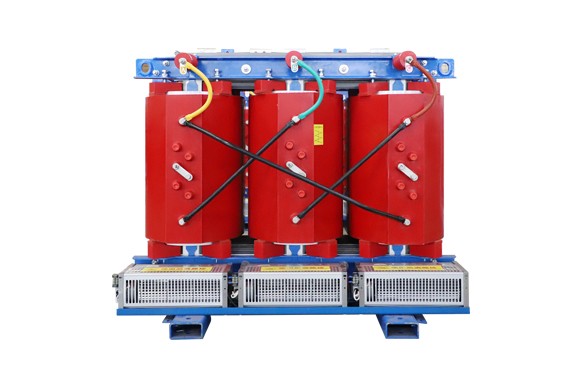
Introduction to switch mode power transformers
Switch mode power transformers are integral components in contemporary electronic systems, designed to efficiently convert electrical energy between different voltage levels. By employing a switching regulator, these transformers optimize energy conversion and significantly reduce energy wastage compared to traditional linear power supplies. This article dives into the essential aspects of switch mode power transformers, highlighting their operation, advantages, and applications.
Energy Conversion and Efficiency
The primary function of a switch mode power transformer is to convert electrical energy efficiently. Unlike linear transformers, which dissipate excess energy as heat, switch mode transformers utilize a switching regulator to minimize energy loss. This results in an efficiency rating between 85% and 98%, a notable improvement over linear transformers.
Operational Principles of SMPS Transformers
Switch mode power transformers operate on the principle of rapidly switching the current flow on and off to manage the power distribution. This switching process allows the transformer to adjust the voltage and current dynamically, catering to the needs of the connected load.
Switching Frequency and Modulation
The switching frequency of SMPS transformers typically ranges from 10 kHz to 1 MHz. Higher frequencies allow for smaller transformer sizes and improved performance, which is essential for compact and lightweight electronic devices.
Basic Components
- Switching Transistors
- Inductors
- Capacitors
- Rectifiers
Efficiency and Size Advantages
One of the standout features of switch mode power transformers is their efficiency and compact size. This section delves into the numerical analysis of these advantages.
Reduced Energy Loss
Switch mode power transformers achieve reduced energy loss by operating at high frequencies, which decreases the amount of energy dissipated as heat. This contributes to a maximum efficiency of up to 99%, depending on the design and application.
Compact Design
Due to the higher operating frequencies, these transformers are significantly smaller and lighter than their linear counterparts, making them ideal for portable electronic devices.
Frequency and Design Parameters
Designing a switch mode power transformer involves selecting the appropriate frequency and understanding the impact of various parameters on its performance.
Core Material Selection
The choice of core material, such as ferrite, is crucial in determining the magnetic properties and performance of the transformer. This affects the efficiency and thermal management of the device.
Winding Configurations
The configuration of the windings, including the number of turns and the wire gauge, directly influences the voltage transformation and thermal characteristics of the transformer.
Types of Switching Configurations
Switch mode power transformers can be designed using various switching configurations to suit different applications and requirements.
Buck, Boost, and Buck-Boost Converters
- Buck Converter: Reduces the input voltage to a lower output voltage.
- Boost Converter: Steps up the input voltage to a higher output voltage.
- Buck-Boost Converter: Provides output voltage with inverted polarity relative to the input.
Applications of Each Configuration
Each configuration has distinct applications. For instance, buck converters are widely used in battery-powered devices, while boost converters are essential in power supplies for LEDs.
Challenges and Disadvantages
Despite their advantages, switch mode power transformers also present certain challenges and disadvantages that need to be addressed in their design and implementation.
Electromagnetic Interference (EMI)
The high-frequency operation of SMPS transformers can generate electromagnetic interference, necessitating the use of filters and shielding to mitigate its effects.
Complex Design and Manufacturing
The design and manufacturing processes of SMPS transformers are more complex than their linear counterparts, requiring specialized skills and equipment.
Rectification and Power Factor Correction
Rectification is a crucial step in converting AC input to DC, and power factor correction is necessary to ensure efficient energy usage.
Importance of Rectification
Rectification involves converting AC voltage to DC using diodes, enabling the transformer to supply a steady DC output to electronic devices.
Role of Power Factor Correction
Power factor correction improves the efficiency of the power supply by aligning the phase of voltage and current, reducing energy losses.
Applications of Switch Mode Transformers
Switch mode power transformers find applications across various industries due to their efficiency, compact size, and adaptability.
Consumer Electronics
SMPS transformers are widely used in consumer electronics, such as laptops, smartphones, and gaming consoles, due to their ability to provide stable power outputs.
Industrial and Automotive Sectors
In the industrial sector, these transformers power machinery and automation systems, while in the automotive industry, they support the growing electrical needs of modern vehicles.
Design and Customization
Manufacturers and suppliers offer customized solutions for switch mode power transformers to meet specific requirements and enhance performance.
Customization Options
Customization includes designing transformers for specific voltage levels, power ratings, and environmental conditions to suit unique applications.
Global Collaboration
Manufacturers from China and other countries collaborate with global partners to produce high-quality transformers that meet international standards.
Future Trends in SMPS Technology
The future of switch mode power transformers is promising, with ongoing innovations and developments in technology.
Emerging Technologies
Advancements in semiconductor materials, such as gallium nitride (GaN) and silicon carbide (SiC), are expected to enhance the performance and efficiency of SMPS transformers.
Focus on Sustainability
There is an increasing emphasis on designing environmentally friendly transformers with reduced energy consumption and minimal ecological impact.
Global Power Equipment Provide Solutions
The global demand for efficient and reliable power solutions continues to rise, and switch mode power transformers play a pivotal role in meeting these needs. Manufacturers and suppliers provide customized transformers that cater to diverse industries, ensuring optimal performance and energy efficiency. By embracing advanced technologies and sustainable practices, companies contribute to a greener and more sustainable future. As the world moves towards a more electrified and interconnected landscape, switch mode power transformers will remain at the forefront of technological progress, driving innovation and efficiency in power conversion.