21
Nov
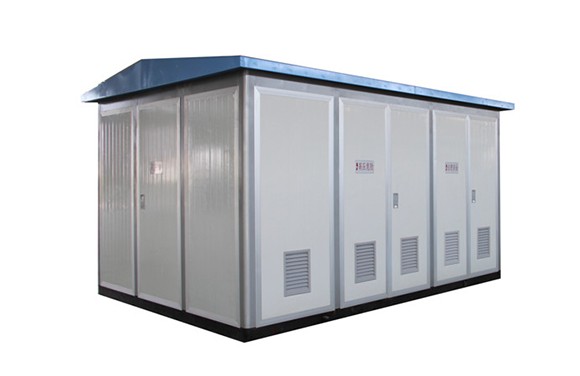
Introduction to Substation Transformers
Substation transformers are pivotal components in the electrical grid, serving a critical function in the distribution and regulation of electrical power. These transformers are strategically placed within substations to step up or step down voltage levels, ensuring efficient energy transmission across long distances and safe delivery to residential, commercial, and industrial users. Understanding what a substation transformer is and its vital role in power systems can help us appreciate the engineering marvels that keep our lights on and industries running smoothly.
● Definition and Purpose
A substation transformer is a type of electrical transformer used to adjust voltage levels in an electricity distribution network. Its primary purpose is to convert high-voltage electricity from transmission lines to a lower voltage that can be safely distributed to consumers. This voltage regulation is essential for minimizing energy losses and maintaining the stability of the electrical grid.
● Importance in Power Systems
Substation transformers are indispensable in power systems as they enable the efficient and effective distribution of electricity from generation sites to end-users. By stepping down voltage levels, they ensure that electrical appliances and equipment receive power within their operational range, preventing damage and potential hazards.
Types of Substation Transformers
Substation transformers come in various types, each designed for specific applications within the power distribution network. Understanding these types can provide insight into their diverse functionalities and applications.
● Distribution Transformers
Distribution transformers are designed to provide the final voltage transformation in the electric power distribution system. They step down the voltage used in the distribution lines to the level used by the customer. These transformers are crucial in wholesale transformer substations where they manage the distribution of electricity to various sectors.
● Power Transformers
Power transformers are used in the transmission network to step up or step down voltage levels between high-voltage transmission lines and lower voltage distribution lines. These transformers are typically used in locations where electricity must travel over long distances, making them an essential component in large-scale substations.
Components of a Substation Transformer
Substation transformers are complex devices composed of various components that work together to achieve efficient voltage regulation and power distribution.
● Core and Windings
The core and windings are the heart of a substation transformer. The core, typically made of laminated silicon steel, is essential for reducing energy losses. The windings, made from copper or aluminum, are responsible for transferring energy between circuits through electromagnetic induction.
● Tap Changer
A tap changer is a device that adjusts the transformer's output voltage. It allows for minor changes to be made to the transformer's voltage ratio, helping in compensating for voltage drop or rise due to varying load conditions. This component is crucial for maintaining voltage stability and efficiency.
Functionality in Power Systems
Substation transformers play a multifaceted role in electricity networks, ensuring that power is transmitted and distributed efficiently and safely.
● Voltage Regulation
One of the primary functions of a substation transformer is voltage regulation. By stepping down high-voltage electricity from power lines to a usable level, transformers prevent damage to household and industrial devices and ensure a steady flow of electricity.
● Power Distribution
Substation transformers facilitate the distribution of electrical power by serving as a link between generation points and end-users. They adjust and maintain voltage levels to meet the demands of different areas, making them vital in wholesale transformer substations.
Installation and Design Considerations
The design and installation of substation transformers require careful planning to ensure safety, efficiency, and longevity.
● Size and Capacity
Selecting the appropriate size and capacity for a transformer is critical. Factors such as the anticipated load, future expansion plans, and network topology must be considered to avoid overloading and ensure efficient operation.
● Environmental Factors
Environmental conditions, such as temperature, humidity, and exposure to natural elements, can impact a transformer's performance. Effective cooling systems, protective enclosures, and weather-resistant materials are essential design considerations for transformers in outdoor substations.
Safety Measures and Precautions
Safety is a paramount concern when dealing with substation transformers due to the high voltages they handle.
● Insulation Techniques
Proper insulation is crucial to prevent electrical faults and accidents. High-quality insulating materials and advanced techniques help safeguard transformers against electrical breakdowns and ensure operational reliability.
● Fire Safety Protocols
Substation transformers pose a fire risk due to the flammable oils they contain. Fire safety protocols, including the use of fire-resistant materials, protective barriers, and regular maintenance checks, are essential to mitigate this risk.
Maintenance and Inspection Practices
Regular maintenance and inspection are vital to the longevity and reliability of substation transformers.
● Regular Testing
Routine testing of transformers helps identify potential issues before they lead to failures. Diagnostic tests, such as insulation resistance, oil quality analysis, and thermal imaging, provide valuable insights into a transformer's condition.
● Identifying Wear and Tear
Over time, components of substation transformers can wear out or degrade. Regular inspections can detect signs of wear and tear, such as oil leaks, corrosion, or unusual noises, allowing for timely repairs or replacements.
Advancements in Transformer Technology
Technological advancements are continually enhancing the performance, efficiency, and capabilities of substation transformers.
● Smart Transformers
Smart transformers, equipped with sensors and communication modules, allow for real-time monitoring and control. They can adjust voltage levels autonomously, improving efficiency and reliability in the distribution network.
● Improved Efficiency
Innovations in materials and design are leading to more efficient transformers. Reduced energy losses and increased durability are some of the benefits of these improvements, making them a worthy investment for transformer substation manufacturers.
Environmental Impact and Sustainability
Environmental considerations are increasingly influencing the design and operation of substation transformers.
● Oil-Spill Prevention
Transformers use oil for cooling and insulation, posing a risk of contamination in case of leaks. Modern designs incorporate spill containment systems and non-toxic alternatives to mitigate environmental impact.
● Recycling and Disposal
The disposal of old transformers requires careful handling due to potential environmental hazards. Recycling programs and environmentally friendly disposal methods are essential for minimizing the environmental footprint of transformer substation factories.
Future Trends in Substation Transformers
The future of substation transformers is shaped by emerging technologies and a growing emphasis on sustainability.
● Integration with Renewable Energy
As the world shifts towards renewable energy, substation transformers are adapting to integrate with solar, wind, and other clean energy sources. This integration is crucial for building a resilient and sustainable power grid.
● Innovations in Materials and Design
Ongoing research and development are leading to new materials and designs that enhance transformer performance and reduce costs. These innovations are expected to drive efficiency and reliability in transformer substation suppliers' offerings.
● Conclusion
In conclusion, substation transformers are indispensable in the modern electrical grid, enabling efficient voltage regulation and power distribution. As technology advances and environmental considerations become more pressing, these transformers will continue to evolve, incorporating innovations that enhance performance and sustainability. By understanding their crucial role in the power system, we can appreciate the significant impact these devices have on our daily lives and the broader energy landscape.
At the forefront of transformer technology, Global Power Equipment (Xuzhou) Co., Ltd. stands out as a leading manufacturer and supplier in the industry. Established in 2013, this company specializes in a range of power transformers and related products. Their commitment to innovation and quality ensures their offerings meet international standards, with applications spanning various industries worldwide. Engaging in a global market, Global Power Equipment continues to expand its portfolio, particularly in renewable energy solutions, reinforcing its position as a trusted partner in the energy sector.