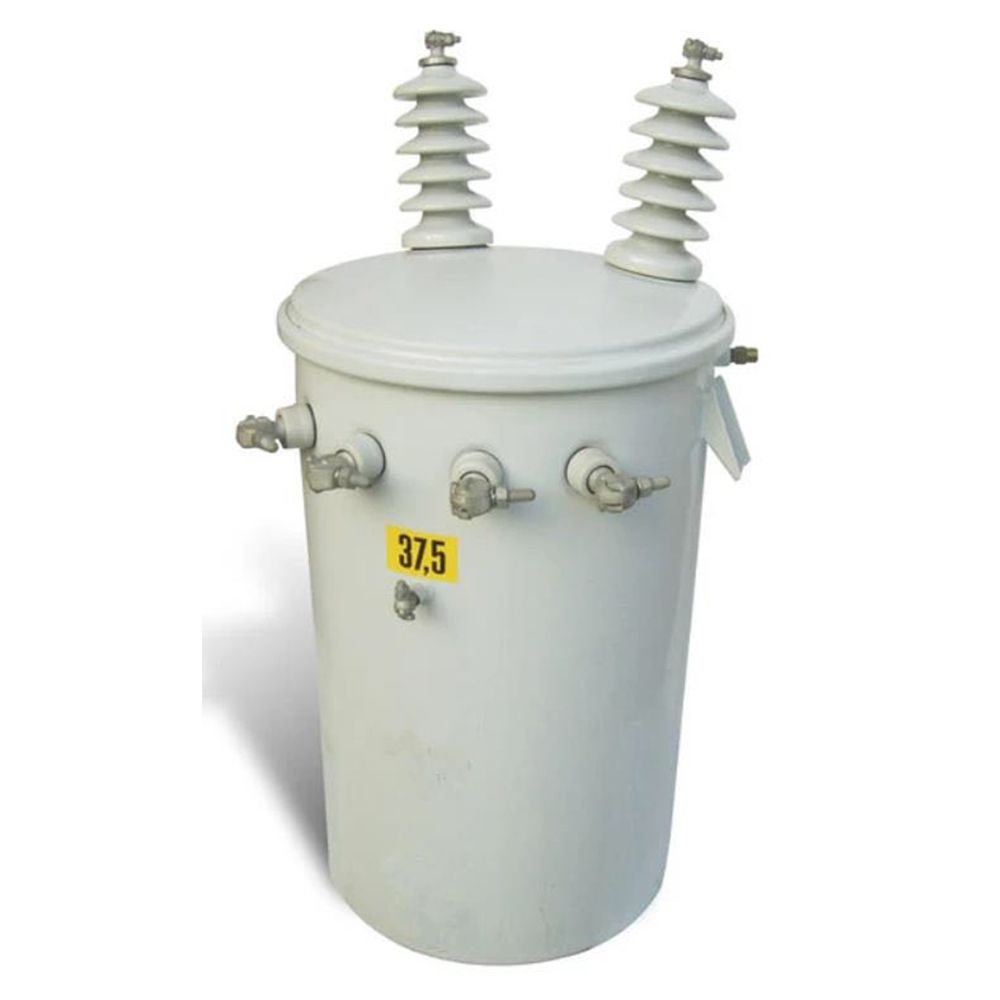
Introduction to Single-Phase Transformers
Single-phase transformers are essential components in the electrical power distribution system. They are commonly used for stepping voltage levels up or down in alternating current (AC) systems. Primarily, these transformers operate on the principle of mutual induction, converting electrical energy from one circuit to another with minimal loss. They are vital in various applications, from residential to industrial settings, where single-phase power supply is prevalent.
Basic Definition and Purpose
A single-phase transformer consists of two windings: a primary and a secondary. The purpose of these windings is to transform electrical energy from one voltage level to another, either increasing or decreasing it, depending on the need. This capability makes them indispensable in situations where voltage adaptation is required to match the power to the device's specifications.
Components of a Single-Phase Transformer
The construction of a single-phase transformer includes several critical components designed to ensure efficient operation and safety. These components work in unison to facilitate the seamless transfer of energy across different voltage levels.
Core Structure
The core of a single-phase transformer is usually made of laminated silicon steel plates. This core serves as a conduit for the magnetic flux generated by the AC current in the windings. The laminations reduce energy losses due to eddy currents, enhancing the overall efficiency of the transformer.
Primary and Secondary Windings
The primary winding receives the incoming electrical energy, creating a magnetic field within the core. This magnetic field induces a voltage in the secondary winding, which can either step up or step down the voltage, depending on the turns ratio between the primary and secondary windings.
Working Principle of Single-Phase Transformers
The operation of single-phase transformers is based on electromagnetic induction. When an alternating voltage is applied to the primary winding, it creates an alternating magnetic field around the core, inducing an electromotive force (EMF) in the secondary winding. The EMF is proportional to the turns ratio, allowing for different voltage levels to be achieved.
Faraday's Law of Induction
Faraday's Law forms the foundation of transformer operation. It states that a change in magnetic flux through a circuit induces an electromotive force across the circuit. This principle is harnessed effectively in transformers to convert voltages efficiently and reliably.
Transformer Turn Ratio
The voltage transformation in a single-phase transformer is determined by the turn ratio of the windings. For instance, if a transformer has 100 turns on the primary winding and 200 turns on the secondary, the output voltage will be double the input voltage, assuming an ideal scenario with negligible losses.
Applications in Residential Settings
one phase transformers are widely utilized in residential areas due to their compatibility with household electrical systems. Their ability to step down high grid voltages to serviceably low levels makes them crucial for powering domestic appliances and lighting systems.
Voltage Adaptation for Household Appliances
Many household appliances operate on 110V or 220V, depending on the region. Single-phase transformers are used to adapt the higher voltages supplied by the power grid to these levels, ensuring safe and efficient appliance operation.
Integration with Residential Solar Systems
In homes equipped with solar power systems, single-phase transformers help in converting the DC output from solar panels into AC, which is then integrated into the home’s electrical system for use or supply back to the grid.
Role in Commercial and Industrial Sectors
In commercial and industrial environments, single-phase transformers play a crucial role in managing power supply demands. Their versatility in stepping voltage levels makes them ideal for various applications, including lighting, heating, and specialty equipment.
Lighting and HVAC Systems
Commercial lighting systems often require specific voltage levels for optimal performance. Single-phase transformers are used to step down supply voltages to suitable levels for these systems. Similarly, HVAC systems utilize transformers to ensure efficient operation across various facilities.
Powering Specialized Equipment
Industrial settings often involve specialized machinery and equipment with distinct voltage requirements. Single-phase transformers are used to customize power supply levels, ensuring the safe and efficient operation of these devices.
Utility in Electrical Grid Systems
In electrical grid systems, single-phase transformers are integral components for district-level power distribution. They assist in voltage regulation and stabilization, ensuring efficient power transfer from generation facilities to end-users.
Voltage Regulation
Single-phase transformers help stabilize voltage fluctuations within grid systems. By stepping down high transmission voltages, they ensure that the end-users receive a stable and consistent power supply.
Grid Load Balancing
These transformers play a pivotal role in load balancing across the grid. By efficiently distributing power, they help maintain grid stability and prevent overloads or outages in specific areas.
Advances in Transformer Technology
The ongoing advancements in transformer technology have led to significant improvements in efficiency, safety, and performance. These technological innovations have expanded the scope of applications for single-phase transformers.
High-Efficiency Materials
The development of new core materials with lower energy loss and higher saturation magnetization has improved the efficiency of transformers. Manufacturers are now using these materials to produce transformers that offer better performance and reduced operational costs.
Smart Transformers
Advancements in digital technology have led to the creation of smart transformers. These devices are equipped with sensors and communication capabilities, enabling real-time monitoring and control of power distribution networks.
Maintenance and Safety Considerations
Proper maintenance and safety protocols are essential for ensuring the longevity and reliability of single-phase transformers. Regular inspection and servicing by qualified professionals help prevent malfunction and reduce the risk of accidents.
Routine Inspection Procedures
Scheduled inspections involve checking for signs of wear, corrosion, and overheating in transformers. Ensuring that connections are secure and components are in good condition is vital for safe operation.
Safety Protocols and Best Practices
Manufacturers and suppliers recommend following established safety protocols to prevent accidents. These include proper grounding of transformers, using protective devices, and adhering to voltage specifications during installation and operation.
Economic and Environmental Impacts
The adoption of single-phase transformers has significant economic and environmental implications. Their efficiency and widespread use contribute to energy savings and reduced emissions, benefiting both consumers and the environment.
Cost Savings and Efficiency
Efficient transformers reduce energy losses, resulting in lower electricity bills for consumers. The use of high-efficiency transformers in industrial and commercial settings further enhances cost savings and operational efficiency.
Environmental Benefits
By minimizing energy waste and optimizing power distribution, single-phase transformers support environmental sustainability. Reduced energy consumption translates to fewer emissions from power plants, contributing to cleaner air and reduced environmental impact.
Future Trends in Transformer Use
The future of single-phase transformers is shaped by emerging technologies and growing energy demands. Manufacturers and suppliers are focusing on innovative solutions to meet the evolving needs of global power distribution.
Integration with Renewable Energy Sources
As the world shifts towards renewable energy, single-phase transformers will become increasingly important in integrating solar and wind power into existing grid systems. Their ability to handle variable power inputs will be crucial for reliable energy distribution.
Development of Eco-Friendly Transformers
There is a growing demand for eco-friendly transformers that use biodegradable oils and sustainable materials. These advancements will help reduce the environmental footprint of power distribution systems.
Global Power Equipment Provide Solutions
Global Power Equipment offers cutting-edge solutions for the evolving needs of power distribution. By focusing on innovation and sustainability, they deliver high-efficiency transformers that support renewable energy integration and reduce environmental impact. Their smart transformer technology enhances grid reliability through real-time monitoring, ensuring stable and efficient power supply. Partnering with leading manufacturers, Global Power Equipment ensures quality, reliability, and performance in their offerings, making them a trusted supplier in the global power distribution market.