22
Nov
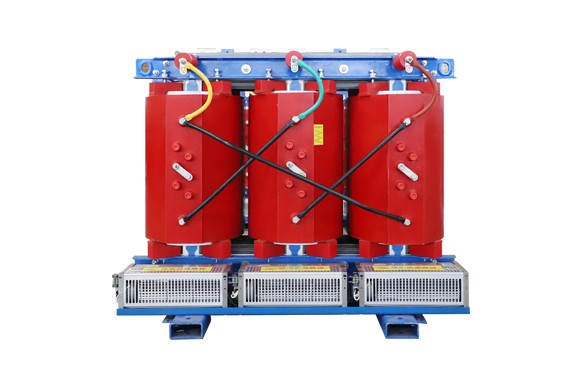
Introduction to dry transformers
In the world of electrical engineering, transformers are crucial components that play an essential role in energy distribution. Among these, dry transformers stand out due to their distinctive features and advantages. Unlike oil-filled transformers that rely on oil for insulation and cooling, dry transformers use solid insulation materials, making them safer and environmentally friendly. This article delves into the applications and benefits of dry transformers, while discussing how they serve various sectors with efficacy and reliability.
Advantages of Using Dry Transformers
● Safety Benefits
Dry transformers are renowned for their safety advantages. The absence of flammable oil reduces fire risks, making them an ideal choice for densely populated or enclosed spaces where safety is paramount. This non-combustibility ensures that dry transformers can be safely installed in indoor locations without the need for elaborate containment measures, which are often required for their oil-filled counterparts.
● Environmental Impact
In today's world, where sustainability is a priority, dry transformers are the preferred choice for eco-conscious projects. Without the risk of oil leaks that could contaminate soil or water sources, they provide a more sustainable solution. Their solid insulation materials do not pose the environmental hazards that liquid-insulated transformers might, supporting efforts to minimize ecological footprints in energy distribution.
Fire Safety and Dry Transformers
● Importance in Fire-Prone Environments
Fire safety is a critical concern in many industrial and commercial settings. Dry transformers offer enhanced fire safety due to their construction, which eliminates the need for oil, a potential fire accelerant. This characteristic makes them particularly beneficial in environments prone to fire hazards, such as chemical plants or areas with high traffic of flammable materials.
● Case Studies of Fire Prevention
Numerous case studies highlight the effectiveness of dry transformers in preventing fire incidents. For example, in high-rise buildings and underground tunnels, the use of dry transformers has significantly reduced the risk of fire outbreaks, thereby safeguarding both property and lives. These transformers are engineered to withstand high temperatures, further augmenting their fire prevention capabilities.
Application in High-Rise Buildings
● Space-Saving Benefits
High-rise buildings, with their limited mechanical room space, benefit from the compact design of dry transformers. These transformers do not require the additional space for oil containment, thus saving valuable real estate within the building’s infrastructure. This advantage allows building designers to maximize utility space, a critical consideration in urban architecture.
● Noise Reduction Advantages
In urban settings where noise pollution is a concern, dry transformers offer a quieter alternative. Unlike oil transformers, which can produce significant buzzing noises due to the expansion and contraction of oil, dry transformers operate silently. This makes them an excellent choice for residential buildings where noise reduction is essential for resident comfort.
Use in Hospitals and Medical Facilities
● Reliability and Consistent Power Supply
Hospitals and medical facilities demand uninterrupted power supply to support critical medical equipment. Dry transformers provide reliable and stable power, ensuring that there are no disruptions in service. Their robust design minimizes the occurrence of failures, making them a trustworthy component in the healthcare sector where equipment uptime is crucial.
● Safety for Sensitive Medical Equipment
Additionally, dry transformers are known for their excellent insulation properties, which protect sensitive medical equipment from electrical surges and fluctuations. This is vital in maintaining the integrity of medical devices and ensuring accurate diagnostics and treatment delivery.
Role in Underground Tunnels
● Challenges in Tunnel Environments
Underground tunnels pose unique challenges for electrical installations, including limited ventilation and high humidity. In such environments, dry transformers prove advantageous due to their ability to function without the need for oil, which would require complex containment and cooling systems.
● Solutions Provided by Dry Transformers
The natural convection cooling system in dry transformers makes them ideal for such confined spaces. They enhance operational reliability while reducing the complexity and cost of maintenance, making them the best choice for infrastructure like subway systems and underground transport facilities.
Implementation in Educational Institutions
● Energy Efficiency in Schools
Educational institutions are increasingly adopting energy-efficient solutions to reduce costs and promote sustainability. Dry transformers contribute to these goals by offering improved energy efficiency and reduced losses during energy conversion processes.
● Safe and Quiet Operation
In schools and universities, where a peaceful environment is essential for learning, the quiet operation of dry transformers is particularly appreciated. Their safe, non-combustible design also ensures that installations comply with stringent safety regulations, providing peace of mind for university administrators and facilities managers.
Industrial Applications: Steel Factories
● Handling High Loads and Vibrations
Industrial environments such as steel factories demand robust equipment capable of handling high electrical loads and enduring significant vibrations. Dry transformers are designed to meet these challenges, providing efficient energy distribution even under demanding conditions.
● Durability in Harsh Conditions
Their rugged build ensures that dry transformers remain operational even in harsh environments, reducing downtime and maintenance costs. This reliability is crucial in industries where interruptions can lead to substantial production losses.
Chemical Plants and Safety Needs
● Resistance to Corrosive Environments
In chemical plants, where corrosive substances are prevalent, the construction of dry transformers provides an added level of protection. Their solid insulation materials are resistant to chemical corrosion, ensuring longevity and continued performance.
● Ensuring Operational Safety
The lack of combustible materials in dry transformers further enhances safety in chemical processing areas. This reduces the risk of accidents and promotes a safer working environment for plant personnel.
Future Trends and Innovations
● Technological Advancements
As technology evolves, dry transformers continue to benefit from innovations in materials and design. These advancements lead to increased efficiency, reduced size, and enhanced reliability, expanding their application range even further.
● Potential New Applications and Developments
With ongoing research and development, dry transformers are poised to play a significant role in new energy solutions, including renewable energy systems and smart grids. Their adaptability makes them a key component in the future of sustainable energy distribution.
Global Power Equipment: Leading the Way
Global Power Equipment (Xuzhou) Co., Ltd. stands as a leader in the manufacturing and supply of power transformers, including the dry transformer variety. Established in 2013, the company specializes in a range of transformers and switchgear, with a strong focus on integrating advanced technology and sustainable practices. Known for its commitment to quality and innovation, Global Power Equipment serves a diverse global market, ensuring their products meet international standards and foster energy transition. With a robust R&D division, the company continues to deliver reliable solutions tailored to meet the unique needs of its clients worldwide.